

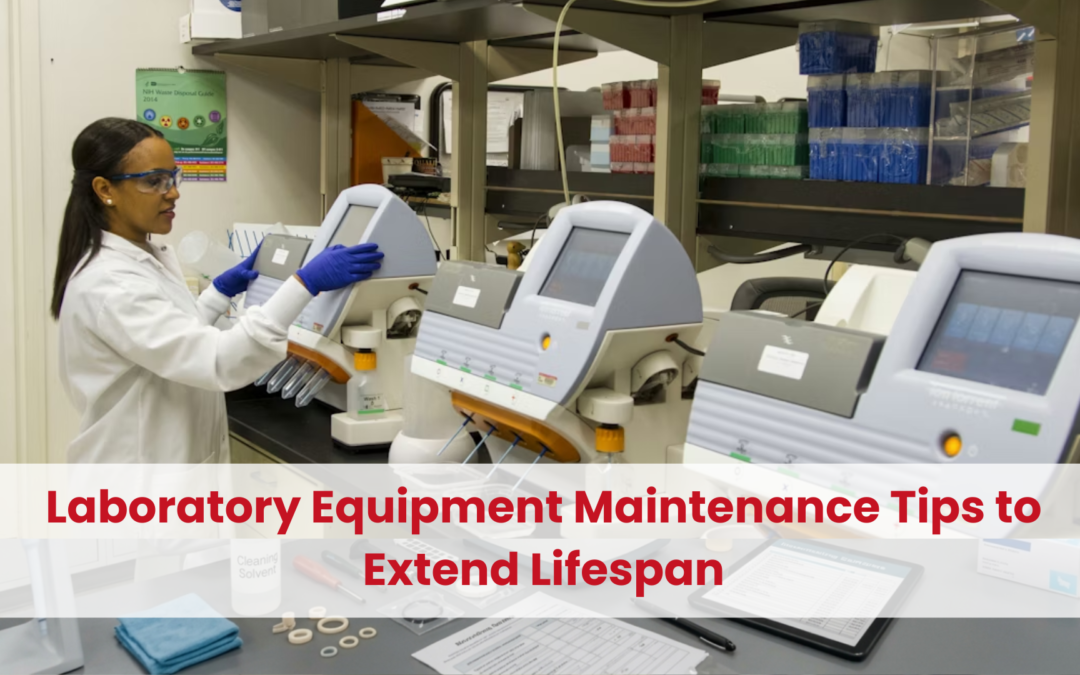
In the heart of every discovery, breakthrough, and successful experiment lies the silent workhorse: laboratory equipment. Whether you are managing a high-throughput research facility or a focused educational lab, the precision of your results is inextricably linked to the health of your instruments.
Maintaining Laboratory Equipment is not merely a technical chore; it is an act of stewardship. When we care for our tools, we ensure the integrity of our data and the safety of our environment. At Inspire Physics, we believe that a well-maintained lab is a reflection of a disciplined mind. By implementing a few thoughtful habits, you can significantly extend the lifespan of your gear, saving both time and resources in the long run.
The Foundation of Equipment Longevity
The first step in any maintenance journey is understanding that prevention is far more effective than repair. Just as a fine timepiece requires regular winding and cleaning, lab instruments thrive on a consistent schedule of care.
1. The Power of Daily Housekeeping
It sounds simple, but cleanliness is the single most effective way to prevent premature wear. Dust, chemical spills, and biological residues can lead to corrosion or electrical failures if left unattended.
At the end of each session, make it a habit to wipe down surfaces with appropriate cleaning agents. For delicate electronics or optical components often found in Laboratory Equipment, ensure you are using non-abrasive cloths and specialized solvents. This daily ritual prevents the buildup of grime that can eventually interfere with moving parts or sensor accuracy.
2. Routine Calibration
Precision is the currency of science. Over time, even the most expensive instruments can drift. A balance that is off by a fraction of a milligram or a pipette that delivers a microliter too much can compromise weeks of research.
Set a strict calibration schedule. Depending on the frequency of use, this might be weekly, monthly, or quarterly. Use certified weights and standards to ensure your Laboratory Equipment remains within the manufacturer’s specified tolerances. Regular calibration doesn’t just keep your data “clean”; it also helps you identify internal wear before it leads to a total breakdown.
3. Lubrication and Moving Parts
Many lab instruments, such as centrifuges, stirrers, and shakers, rely on mechanical movement. Where there is friction, there is potential for heat and wear. Check the manufacturer’s manual for lubrication points. Using the correct grade of oil or grease—and using it sparingly—can keep these machines running smoothly for decades.
Listen to your equipment. A new rattle or a high-pitched hum is often the first sign that a bearing needs attention. By catching these acoustic cues early, you prevent the “domino effect” where one failing part causes stress on the entire system.
Environment Matters
We often focus on the machine itself while forgetting the space it occupies. The environment surrounding your Laboratory Equipment plays a massive role in its lifespan.
- Temperature and Humidity: Fluctuations in climate can cause materials to expand and contract, leading to micro-cracks in circuit boards or the degradation of rubber seals. Ensure your lab has stable HVAC systems.
- Vibration Control: High-precision balances and optical equipment should be placed on vibration-dampening tables. Constant micro-vibrations from nearby heavy machinery or even heavy foot traffic can wear out delicate internal components.
- Power Stability: Use surge protectors or Uninterruptible Power Supplies (UPS). A single power spike can fry the sensitive motherboards of modern analytical tools.
The Human Element: Training and Documentation
Even the best-maintained machine can be undone by improper use. Human error is a leading cause of equipment damage. At inspire physics, we advocate for a culture of shared responsibility.
Develop “Quick-Start” Guides
While the full manual is essential, it is often dense and intimidating. Create laminated, one-page “Best Practices” sheets to be kept near each major piece of Laboratory Equipment. These should include start-up/shut-down procedures and a “What to do if…” section.
Maintain a Maintenance Log
Consistency requires a memory. Keep a digital or physical logbook for every significant instrument. Record the date of the last cleaning, the results of the latest calibration, and any minor repairs made. This history is invaluable when troubleshooting a problem or when it comes time for an official inspection. It allows you to see patterns—for instance, if a specific part fails every six months, you can pre-order the replacement to avoid downtime.
Knowing When to Call the Experts
Self-maintenance has its limits. For complex systems like spectrophotometers or HPLC units, an annual professional service is a wise investment. Think of it as a “deep health check.” Professional technicians have the diagnostic tools to see internal issues that aren’t visible to the naked eye.
While it may seem like an added expense, the cost of a service contract is almost always lower than the cost of replacing a major instrument or losing a month of progress due to an unexpected failure.
A Sustainable Approach to Science
By extending the life of your Laboratory Equipment, you are making a choice that is both economically and environmentally responsible. In a world of “disposable” culture, maintaining a high-quality instrument for twenty years instead of five is a quiet but powerful win for sustainability.
At inspire physics, we are committed to supporting the scientific community by sharing knowledge that empowers you to work better. A laboratory is more than just a room full of machines; it is a sanctuary for curiosity. By treating your tools with the respect they deserve, you ensure that the path to discovery remains clear and unobstructed.
Take a moment today to look around your lab. Which instrument has been working hard for you lately? Perhaps it’s time for a quick wipe-down and a check of the calibration log.
