

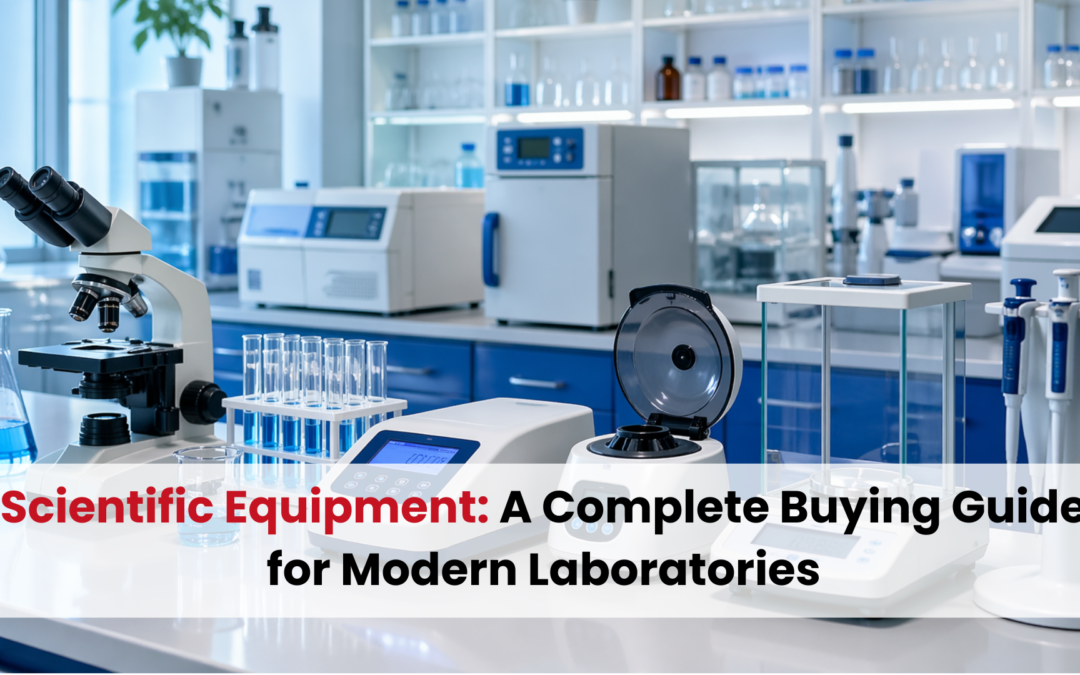
Setting up or upgrading a laboratory is a journey of precision. Whether you are establishing a new research facility or enhancing an existing educational space, the choices you make regarding infrastructure define the quality of your outcomes. At Inspirephysics, we believe that a laboratory is more than just a room filled with tools; it is a sanctuary for discovery where curiosity meets methodology.
The process of acquiring Scientific Equipment requires a thoughtful balance between current technological capabilities and future scalability. This guide aims to walk you through the essential considerations for curating a modern, efficient, and inspiring laboratory environment.
Defining Your Core Objectives
Before browsing catalogs, it is helpful to step back and define the primary mission of your lab. Is the focus on high-throughput diagnostic testing, fundamental academic research, or industrial quality control?
A common pitfall is over-equipping—purchasing high-end machinery with features that may never be utilized. Conversely, under-equipping can lead to bottlenecks and compromised data. A modern lab thrives on “right-sized” technology. By aligning your equipment list with your specific workflows, you ensure that every investment contributes directly to your scientific goals.
The Pillars of Modern Laboratory Equipment
While every discipline has specialized needs, several categories of Scientific Equipment form the backbone of almost any modern facility.
1. Analytical Instruments
These are the workhorses of the lab. From spectrophotometers that measure light absorption to chromatography systems that separate complex mixtures, analytical tools must provide high repeatability. When selecting these, prioritize instruments with intuitive interfaces and robust data management software. In the modern era, the ability to export and analyze data seamlessly is just as important as the physical measurement itself.
2. Sample Preparation and Storage
The integrity of your results begins with how you handle your samples. High-quality centrifuges, precision pipettes, and reliable incubators are non-negotiable. Furthermore, storage solutions—such as ultra-low temperature freezers—must offer consistent thermal stability and integrated alarm systems to protect years of invaluable research.
3. Safety and Containment
A laboratory is only as good as its safety record. Fume hoods, biosafety cabinets, and proper chemical storage units are the silent guardians of the workspace. Modern designs now focus on ergonomics and energy efficiency, reducing the carbon footprint of the lab without compromising the protection of the personnel.
Quality and Calibration: The Silent Requirements
When evaluating Scientific Equipment, the “sticker price” is only one part of the equation. Scientific rigor demands accuracy, and accuracy requires regular calibration.
When sourcing tools through inspirephysics, we often emphasize the importance of after-sales support. Does the manufacturer provide calibration certificates? Are replacement parts readily available? A piece of equipment that is out of commission for three weeks due to a lack of local servicing is far more expensive than a slightly higher-priced model with a guaranteed service contract.
The Human Element: Ergonomics and Usability
We often forget that scientists spend hours interacting with these machines. A microscope with poor eye-level alignment or a centrifuge with a confusing lid mechanism can lead to physical fatigue and increased human error.
Modern laboratory design leans toward “human-centric” equipment. This includes:
- Adjustable Heights: Equipment that can be used comfortably while sitting or standing.
- Noise Reduction: Modern vacuum pumps and cooling systems are designed to operate quietly, fostering a calmer, more focused intellectual environment.
- Digital Connectivity: The “Internet of Things” (IoT) has reached the lab. Equipment that alerts your smartphone when a cycle is complete or a temperature fluctuates allows for greater flexibility and peace of mind.
Sustainability in the Lab
Modern science is increasingly conscious of its environmental impact. Laboratories are traditionally energy-intensive spaces. However, the latest generation of Scientific Equipment is designed with sustainability in mind.
Look for instruments with “eco-modes,” reduced water consumption requirements, and those built with recyclable materials. At inspirephysics, we encourage labs to look at the total life-cycle of their equipment. Choosing durable, long-lasting tools over “disposable” low-cost alternatives is a win for both your budget and the planet.
Making the Final Decision
As you finalize your procurement list, consider the following checklist:
- Compatibility: Does the new equipment interface with your existing software or data management systems?
- Training: What is the learning curve for your team? Does the vendor offer comprehensive onboarding?
- Future-Proofing: Can the equipment be upgraded with modules as your research evolves?
Choosing the right Scientific Equipment is a profound responsibility. It is an investment in the questions you haven’t even asked yet. By focusing on quality, usability, and a calm, methodical approach to procurement, you create a space where science can truly flourish.
At https://inspirephysics.com/, we are dedicated to supporting this journey. Whether you are looking for foundational tools or specialized instrumentation, our goal is to provide the clarity and quality needed to turn your hypotheses into breakthroughs. The right equipment doesn’t just do the work—it inspires it.
